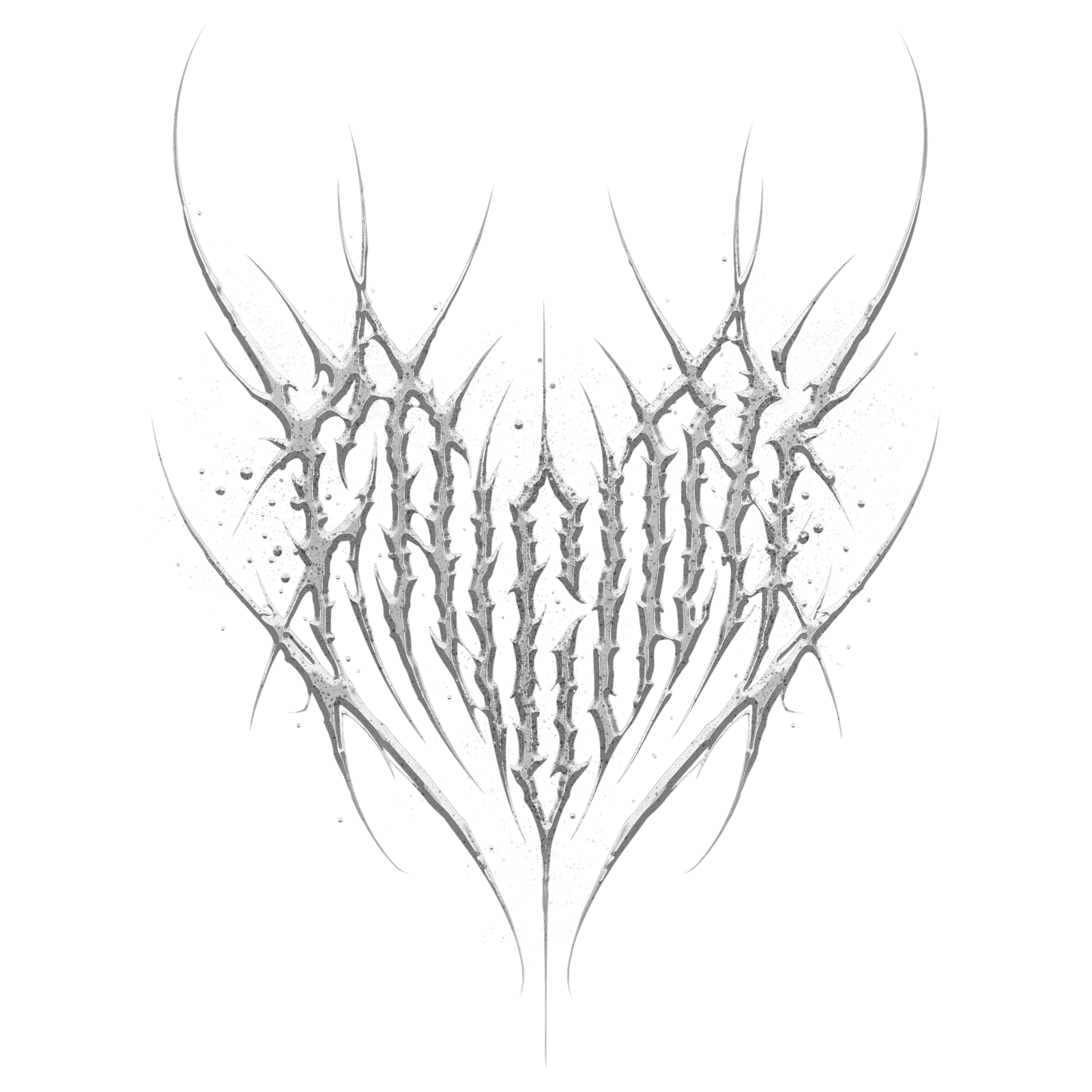

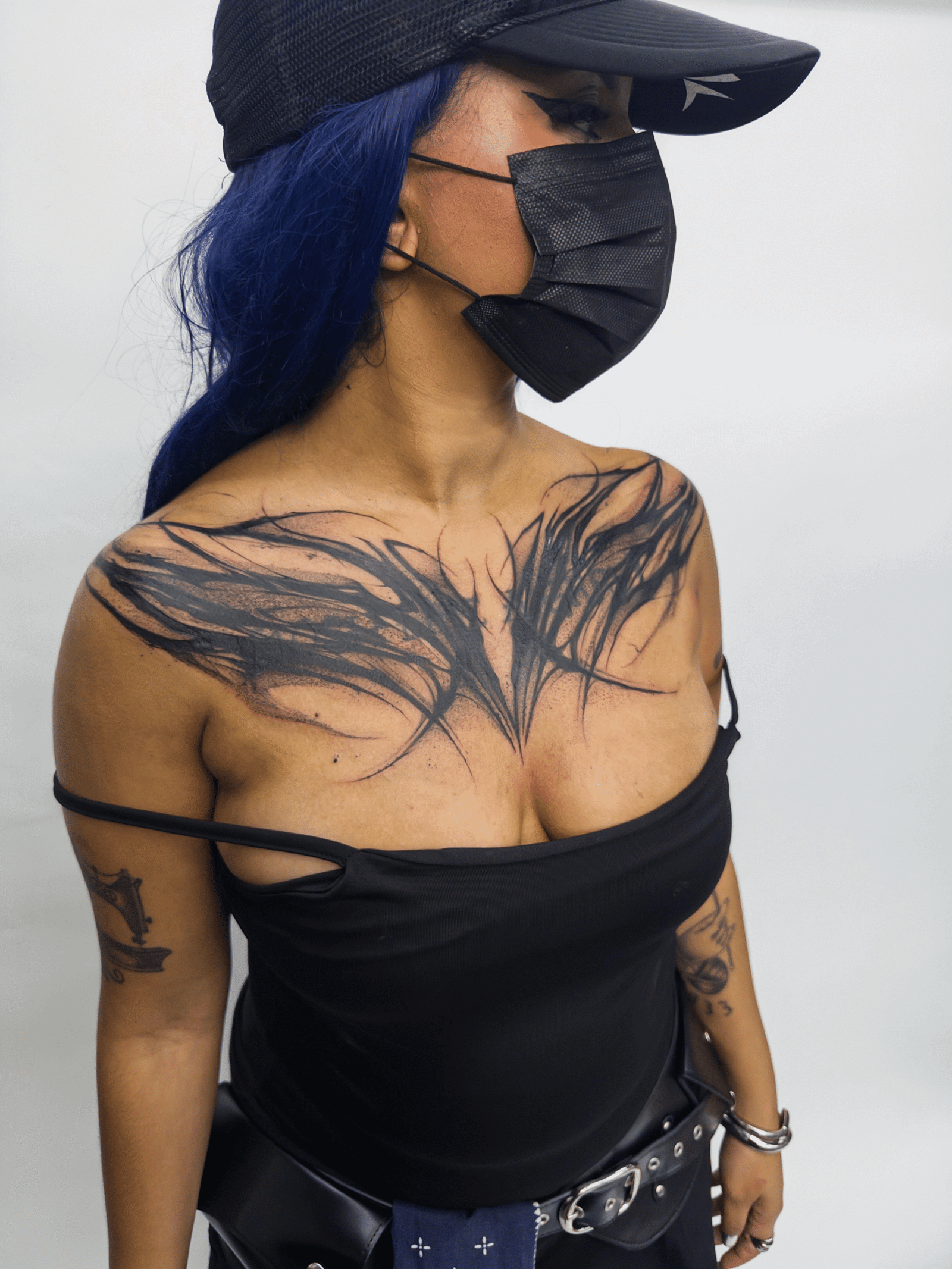
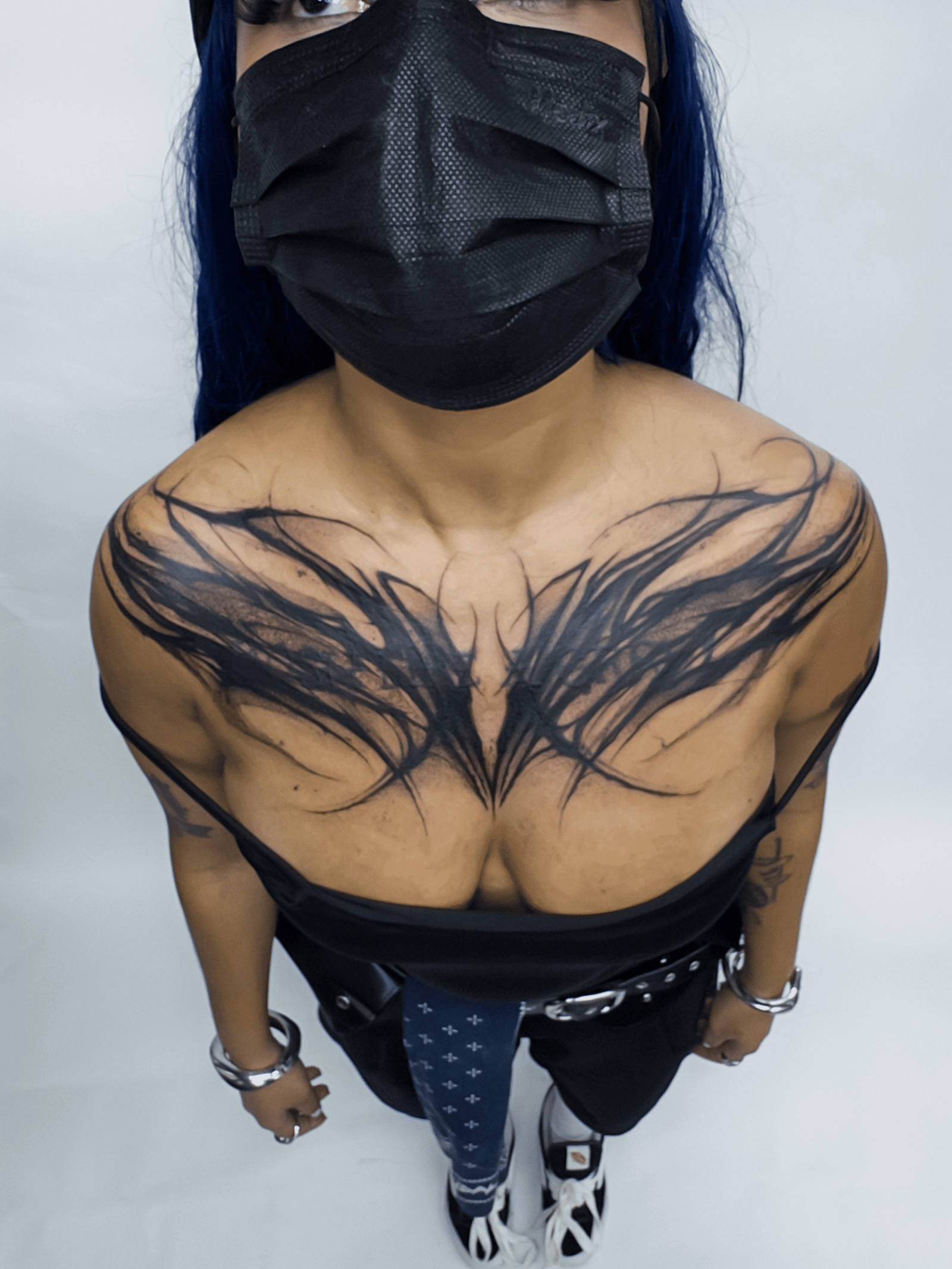
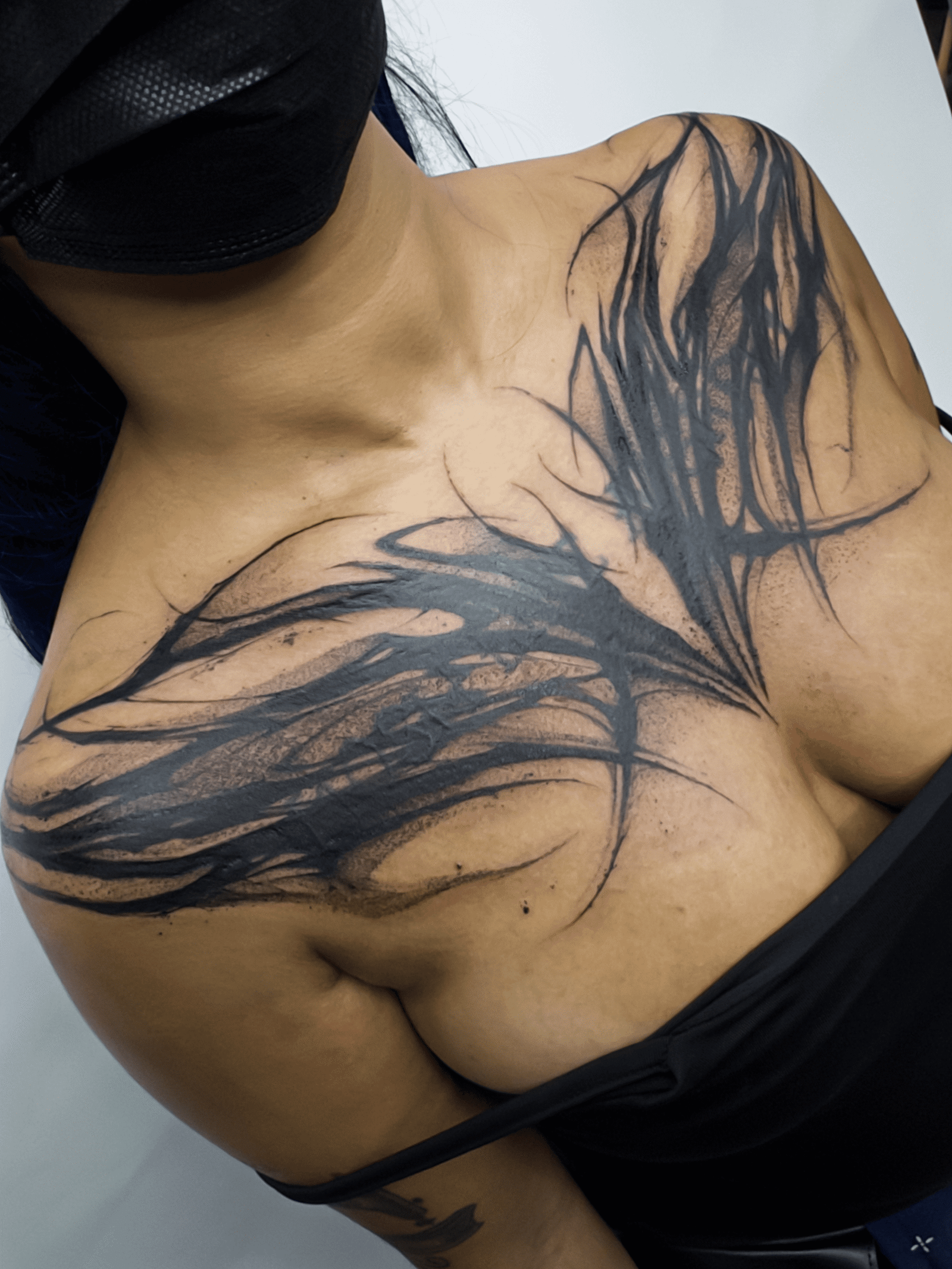
STRATEGY AND RECONSTRUCTION
A cover-up is one of the most demanding procedures in tattooing. It’s not about aesthetics or concept—it’s about solving a visual problem with technical precision.
Unlike tattooing on virgin skin, where the design starts from scratch, a cover-up works within real limitations: existing ink, scars, aging skin, uneven pigmentation, and pre-existing lines. The goal isn’t to erase the past, but to structurally neutralize it so that a new design can occupy that space with authority.
Technical Aspects of a Cover-Up
Density and Color Analysis. The first step is to assess the existing tattoo: how dark it is, what pigments were used, and how the skin has reacted over time. Light colors can be neutralized with careful planning; dark, saturated inks require more aggressive approaches, such as the strategic use of black and high-contrast areas.
Adaptive composition. The new design doesn’t start with just any idea—it’s built upon what’s already on the skin. Shapes, line directions, and shading areas are designed to disrupt the legibility of the old tattoo, fragmenting its silhouette and preventing the eye from recognizing it.
Limits of what’s possible. Not every tattoo can be covered up. Very dark shades, very large areas, or raised scars can make a cover-up impossible. It’s the tattoo artist’s responsibility to clearly communicate these limitations to the client, setting realistic expectations from the start.
The cover-up service is for clients who:
- Have tattoos that were poorly executed (flawed lines, fading, blotches)
- Have designs that no longer align with their current identity
- Seek to fill the same space on their skin with a tattoo of higher technical and visual quality
There is no emotional component to the process—it involves practical decision-making and planning.